
Executive Summary
Inventory based businesses face a unique challenge. Buyers rarely convert after a single interaction. Instead, they research, compare, and engage across multiple touchpoints before taking action.
This case study demonstrates how a Full Funnel Google Ads strategy combines awareness, consideration, and conversion focused channels to create momentum that compounds over time.
By layering upper and mid funnel media with high intent formats like Vehicle Listing Ads and Google Search, this approach delivers not just traffic, but scalable and predictable conversion growth.
The results follow a clear pattern:
- Early learning and calibration in Month 1.
- Rapid acceleration in Month 2 once the funnel matures.
- Significant gains in sessions, conversions, and efficiency.
This framework applies to automotive dealers, RV dealers, and any inventory driven business model.
The Challenge: Why Bottom Funnel Only Strategies Fall Short
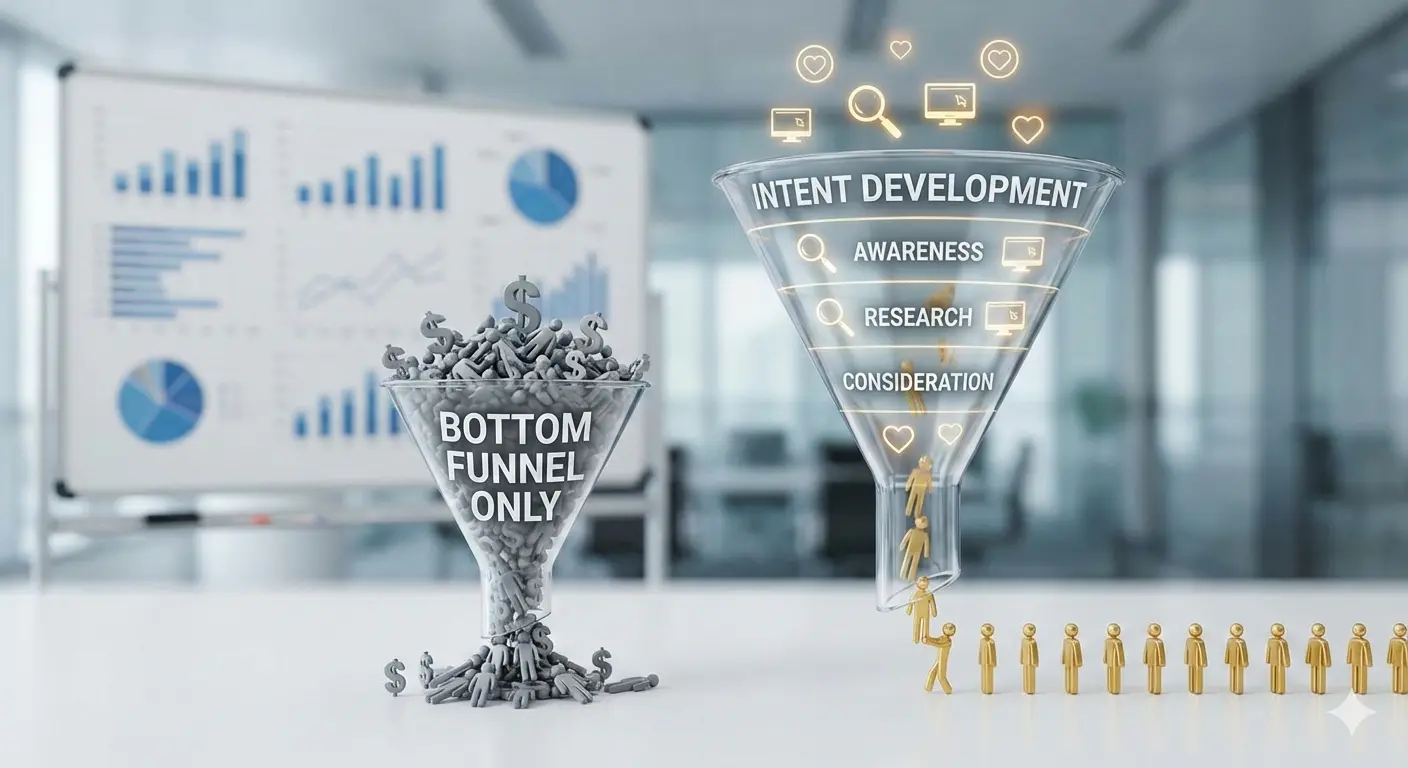
Many advertisers approach Google Ads with a conversion only mindset. The expectation is immediate results after launch.
In reality, modern buyers research across multiple sessions, devices, and moments before converting. Google research shows that the average buyer requires 7–10 meaningful touchpoints before taking action.
When campaigns rely only on bottom funnel tactics, performance often stalls. Costs rise. Conversion volume plateaus. Early results fail to reflect long term potential.
The challenge is not traffic.
The challenge is intent development.
The Full Funnel Google Ads Solution
To solve this, a Full Funnel Google Ads ecosystem was implemented. Instead of treating each channel separately, every campaign played a defined role within the buyer journey.
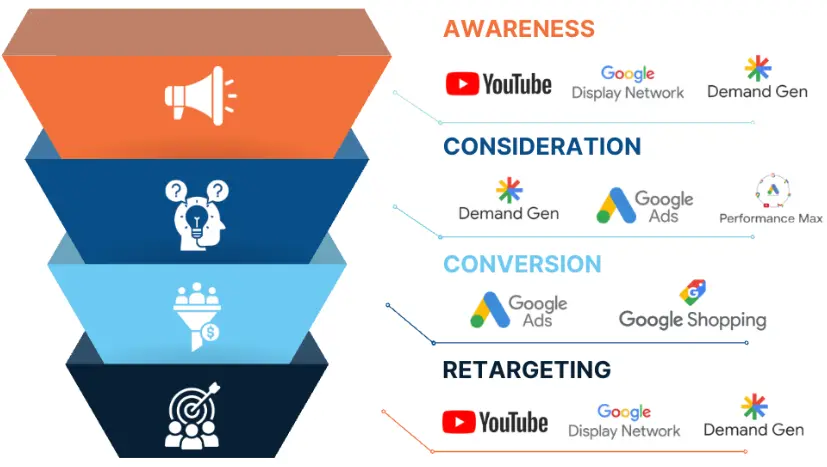
Funnel Structure Overview:
Top of Funnel = Awareness
- YouTube Video Ads
- Google Display Network
Purpose: Introduce the brand and inventory, build recognition, and create demand before active search begins.
Mid Funnel = Consideration
- Demand Gen campaigns
- Performance Max
Purpose: Reinforce awareness, re-engage previous visitors, and qualify interest through visual and intent based signals.
Bottom of Funnel = Conversion
- Google Search Ads
- Vehicle Listing Ads
Purpose: Capture high intent shoppers actively searching for inventory and ready to take action.
Channel Breakdown: How Each Layer Supports the Funnel
YouTube Video Ads
| Process | Impact |
| Targeted in market and affinity audiences. | Increased brand familiarity. |
| Optimized for reach and engagement. | Lower friction when users later encounter search or VLA ads. |
| Designed to educate before selling. | Stronger downstream engagement and conversion behavior. |
Google Display Network
| Process | Impact |
| Contextual and audience-based targeting. | Maintains brand presence during consideration. |
| Broad reach with controlled frequency. | Reinforces visual inventory messaging. |
| Supports recall throughout the research phase. | Builds remarketing audiences for mid and lower funnel campaigns. |
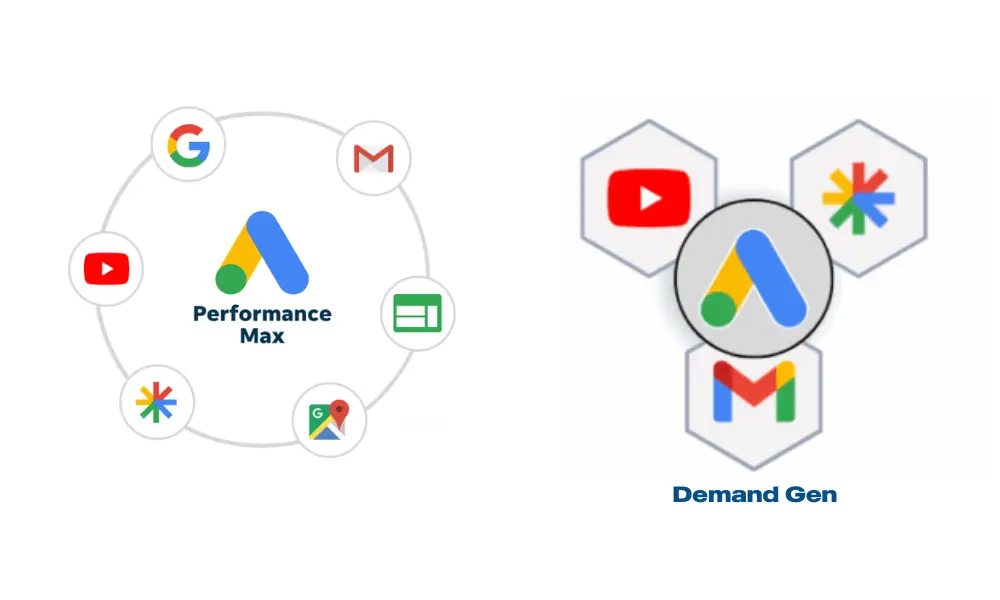
Demand Gen and Performance Max
| Process | Impact |
| AI driven placements across YouTube, Discover, Gmail, and Google properties. | Bridges the gap between awareness and intent. |
| Uses engagement and conversion signals from upper funnel campaigns. | Improves efficiency of lower funnel campaigns. |
| Expands reach beyond keyword only search behavior. |
Vehicle Listing Ads: The Conversion Engine
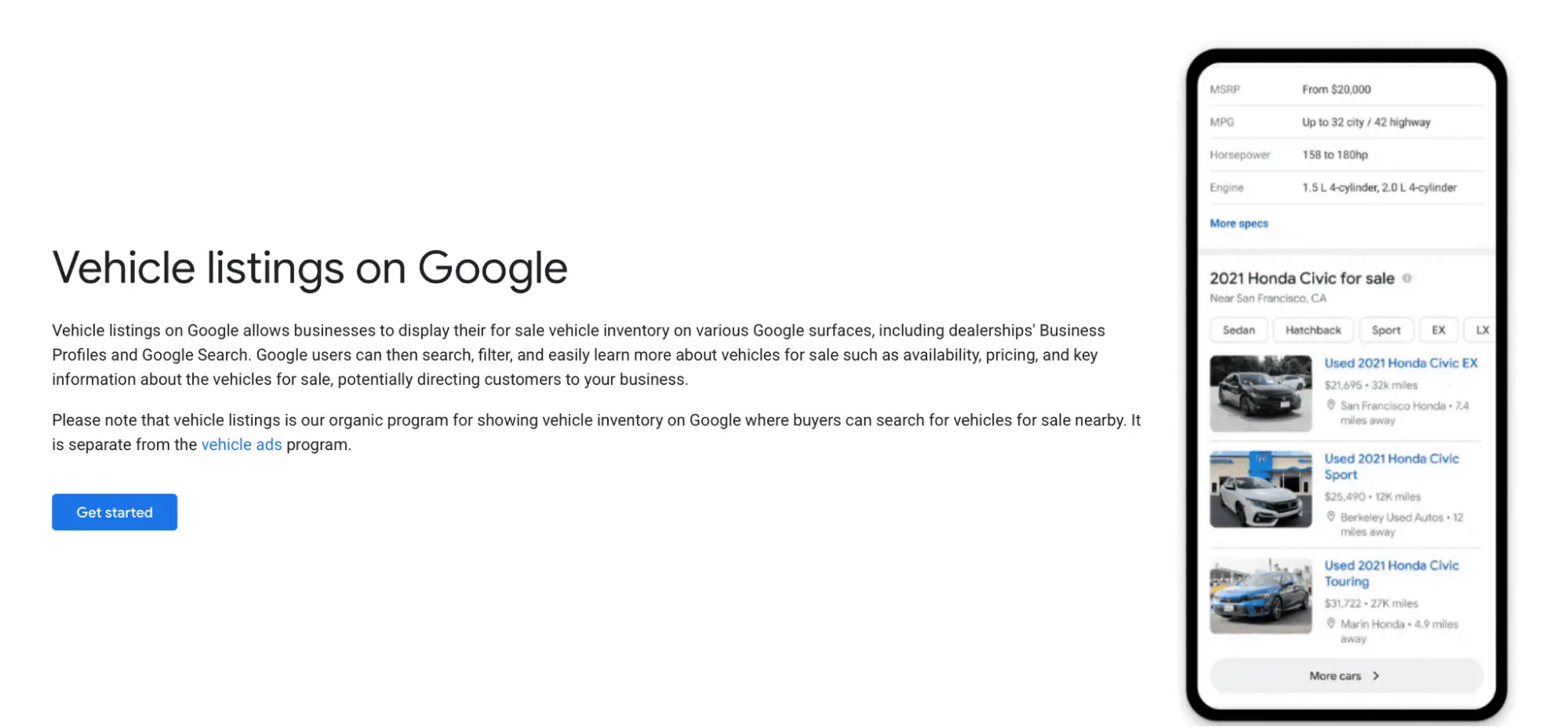
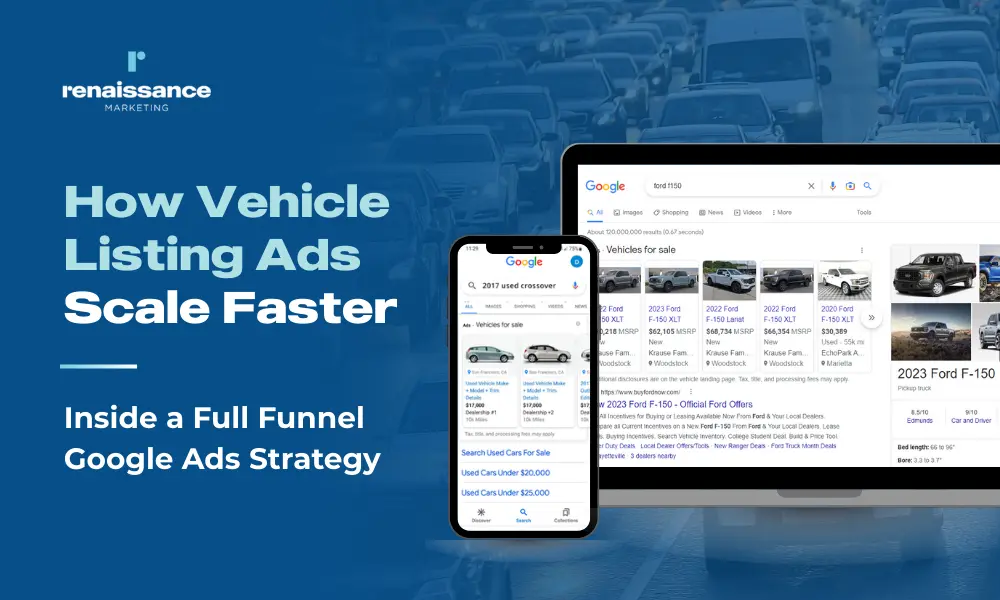
Vehicle Listing Ads play a critical role at the bottom of the funnel. These ads surface real inventory directly within Google, allowing shoppers to browse visually before clicking through.
Why Vehicle Listing Ads Work
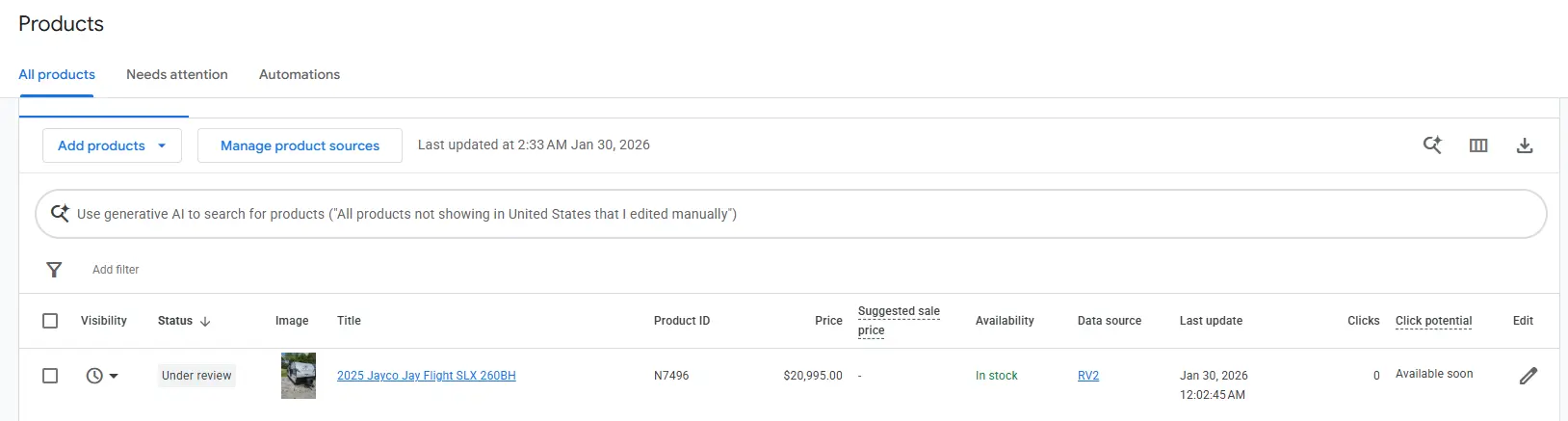
Vehicle Listing Ads work because they align directly with how modern buyers shop for inventory. These ads capture high intent by showcasing real vehicles the moment shoppers are researching their options. These ads show real vehicles right in the search results, making it easy for shoppers to compare options at a glance. Shoppers can see photos, prices, and details before clicking, which saves time and builds confidence. With VIN level targeting, ads remain accurate, relevant, and tied to available inventory, which improves both engagement and conversion quality. Together, these factors make Vehicle Listing Ads a powerful conversion driver for inventory based businesses.
Performance Snapshot: Month 1 vs. Month 2
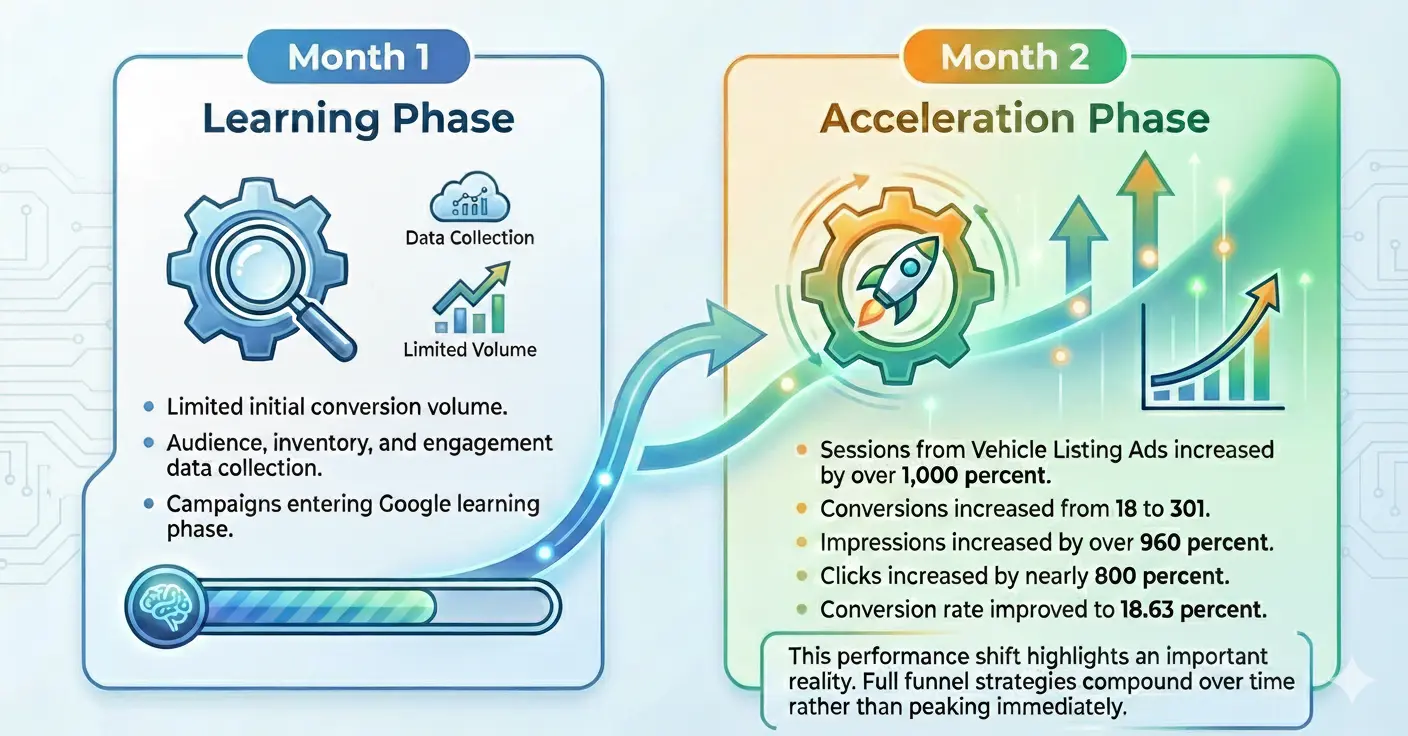
Month 1 focuses on learning. Campaigns collect data on audiences, inventory, and engagement while Google optimizes performance behind the scenes. Early conversion volume is normal and expected.
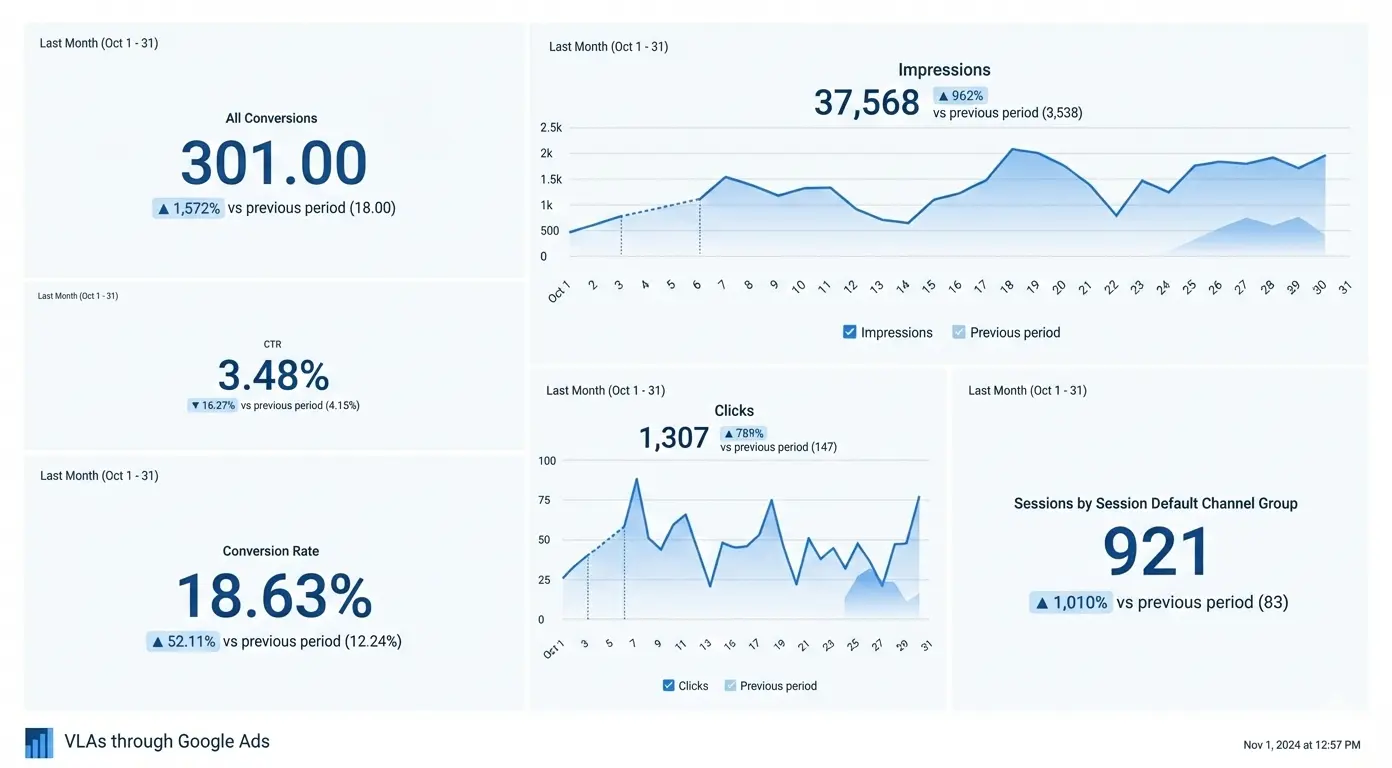
By Month 2, momentum begins to build. In this case, Vehicle Listing Ad sessions increased by over 1,000 percent and conversions grew from 18 to 301. Impressions, clicks, and conversion rate all increased significantly as the funnel matured.
Full funnel strategies compound over time, creating stronger and more predictable results month after month.
Metrics (Month 1 → Month 2)
Once the funnel matured, VLA performance accelerated rapidly:
- Conversions: 18 → 301 (+1,572%)
- VLA Sessions: 83 → 921 (+1,010%)
- Impressions: 3,538 → 37,568 (+962%)
- Clicks: 147 → 1,307 (+789%)
- Conversion Rate: 12.24% → 18.63% (+52%)
These gains occurred without a dramatic change in inventory — the primary variable was funnel maturity and signal volume, not a tactical switch.
Full Funnel Results That Scale Over Time
This Full Funnel Google Ads approach produced more than a short term spike in performance. It delivered consistent conversion growth, higher quality traffic, and improved efficiency as the funnel matured month over month. By connecting awareness, consideration, and conversion into a single strategy, performance became more predictable and sustainable. Instead of chasing quick wins, this approach built a foundation designed to support long term growth and scale.
Reporting – How We Show You Full Funnel Marketing Results
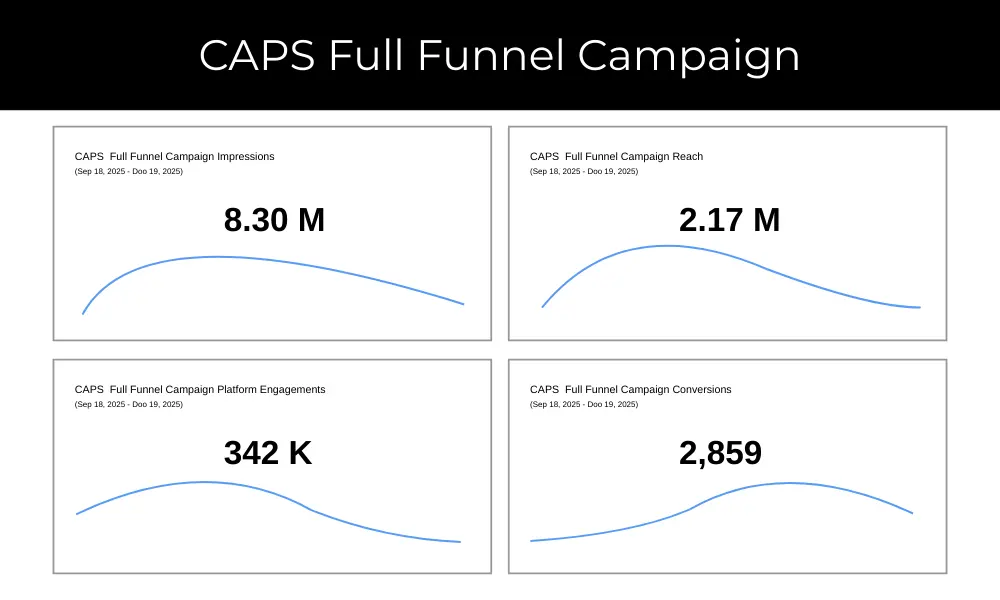
Clear reporting is essential to understanding how full funnel marketing is performing. Rather than reviewing each channel in isolation, our reporting brings everything together in a single campaign dashboard. This dashboard shows an aggregate view of impressions, reach, and conversions across all full funnel marketing efforts, giving you a clear picture of how awareness, consideration, and conversion are working together. By seeing the full journey in one place, it becomes easier to understand performance trends, measure growth over time, and make informed decisions based on real results rather than isolated metrics.
Full Funnel Google Ads for Inventory Based Businesses
While this case study highlights automotive inventory, the same Full Funnel Google Ads framework applies to RV dealers, equipment sellers, and multi location inventory based businesses. Any business that relies on visible inventory and high intent buyers can benefit from a strategy that builds demand before capturing conversions.
When inventory is paired with full funnel intent development, performance becomes easier to scale and more predictable over time.
To learn more about how this approach works, explore our Full Funnel Google Ads management services and see how each stage of the funnel is intentionally connected to drive results. Interested in adding full funnel google ads to your marketing mix? Contact us to schedule a free discovery call today.